
By Kristi Lynn Martin, PHD
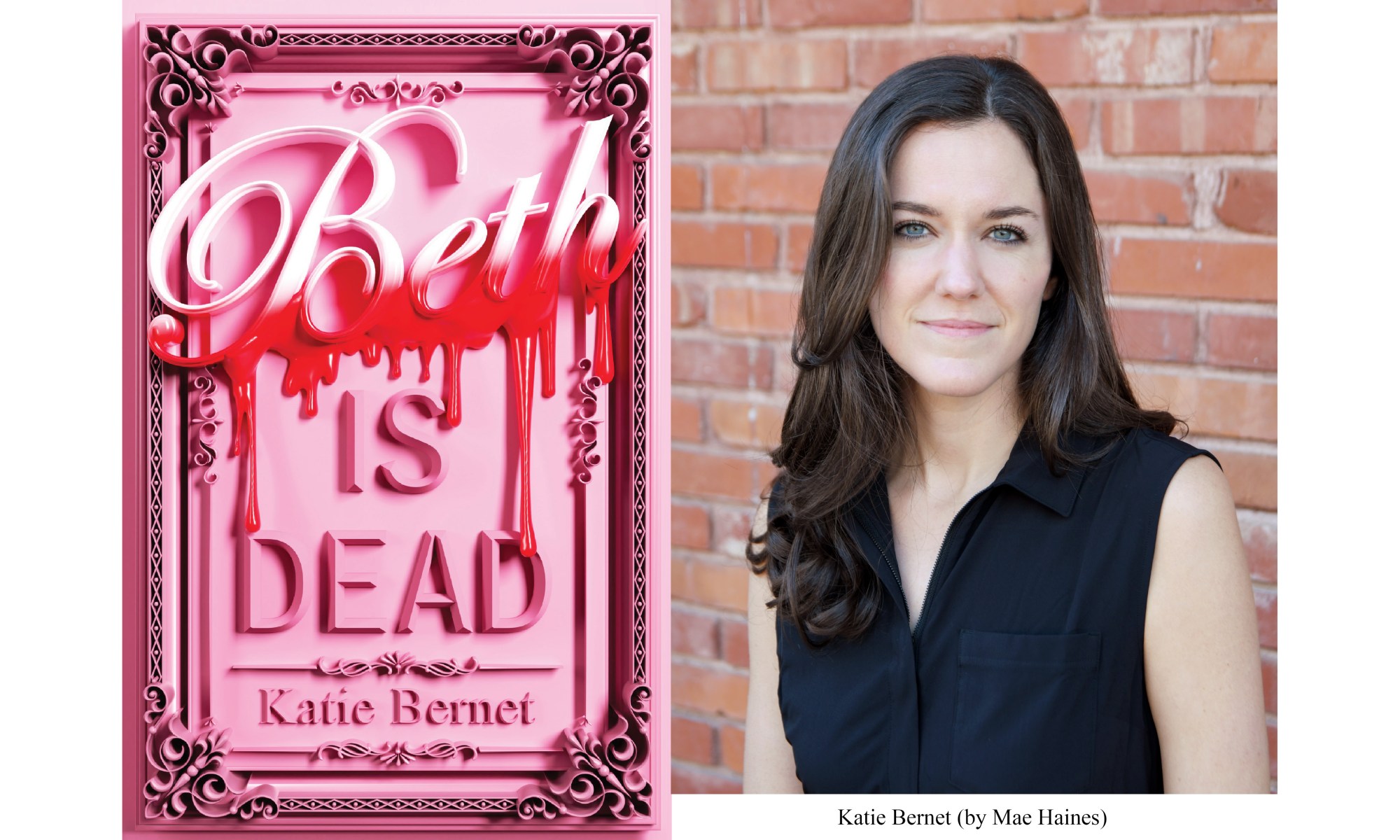
Book Review of: Beth is Dead by Kate Burnet
Publisher: Sarah Barely Book (an imprint of Simon & Schuster)
Expected Publication Date: January 2026
Beth Is Dead is a stunning tribute to Little Women and a remarkable debut novel. This YA thriller is a deliciously delightful page turner; clever and suspenseful. After a few pages, I was hooked. But there is much more to this novel than a pulpy murder mystery.
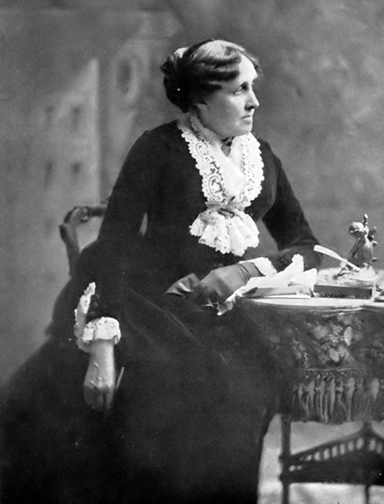
While Louisa May Alcott is best known for her coming-of-age novel Little Women, she also wrote lurid, sensational fiction. What she called her “blood and thunder” stories were most often published under a pseudonym to conceal her identity and protect her reputation.[i] Bernet has refashioned the March sisters’ story into such a blood and thunder tale, with plenty of faithful nods to the original classic novel, twisted into a modern day who-done-it domestic thriller.
On New Year’s morning, Beth March is discovered dead in the woods. And every one is a suspect. Told in dual-time line and alternating narratives (giving voice to each sister’s perspective), the plot keeps the reader guessing until the very end. As in Alcotts’ oeuvre, subversive commentary, virtue, penetrating character work, and intriguing possibility are richly interwoven beneath the plot’s surface. Beyond the gripping story, there is so much meta content that this novel is sure to please Alcott aficionados who enjoy textual analysis, making Beth is Dead one of the most fresh, cunning, and fun Little Women re-imaginings that I have had the pleasure to read.

Bernet has paid thoughtful and tender attention to both Alcott’s text and how her characters have been immured in modern popular culture through reader responses, which also interplay through Bernet’s own story, with modern young adult concerns about the lures and misconceptions in social media culture dealing with perceptions, identity, and concealed truths. The March sisters are thrust into the spot light when their personal lives are exploited for fiction, and it is this aspect that is inextricably wound around Beth’s tragic and gruesome fate in Beth is Dead. The novel asks the following questions: How does someone’s writing (and reading) about you reflect on who you are and your sense of self? What is the difference between fact and fiction, both within the novel Little Women—Alcott’s original and the meta-version in this novel— and within viral public perception? How do reader’s responses limit character representations and change the story? What consequences and power does fandom have in deciding a character’s fate? Why did Beth have to die? Who killed her?

Bernet’s thought-provoking and tender attention to Alcott’s novel and characters kept me intellectually titillated and, in the end, moved me to tears. The novel is also simply great fun! If you enjoy thrillers and Little Women, I highly recommend picking up Beth is Dead in January. This should be a book that everyone is talking about in 2026. If she could read it, I think Louisa would love it, too.
(Thank you to Simon & Schuster for an Advanced Reading Copy for reviewing purposes).
[i] Alcott used the term “blood and thunder” to describe her story “V.V. or Plots and Counterplots (1865) published under her pseudonym A.M. Barnard. The Journals of Louisa May Alcott, Ed. Joel Myerson, Daniel Shealy, and Associate editor Madeleine B. Stern (Athens: The University of Georgia Press, 1997, 132).
Dr. Kristi Lynn Martin is an independent scholar and writer, specializing in the Alcott family, Transcendentalism, and the nineteenth-century literary circle in Concord, Massachusetts. She is a returning guest contributor to Louisa May Alcott is My Passion.
Are you passionate about
Louisa May Alcott too?
Subscribe to the email list and
never miss a post!
Facebook • Instagram • X

 Louisa May Alcott is My Passion