Begun in 2010, this blog offers analysis and reflection by Susan Bailey on the life, works and legacy of Louisa May Alcott and her family. Susan is an active member and supporter of the Louisa May Alcott Society, the Fruitlands Museum and Louisa May Alcott's Orchard House.
Father and daughter, polar opposites in temperament. Both brilliant (he metaphysical, philosophical; she practical, from the heart). Both spiritual (Communion with The Spirit vs. "practical Christianity"). Both prolific writers. Both bigger than life. The Alcotts loved celebrating birthdays. Abba wrote back in 1851, "I seldom omit these occasions for showing my children the joy I …
In pulling together my research for my biography on Elizabeth Alcott, I found the need to comb through Richard Herrnstadt’s enormous volume containing the vast majority of Bronson Alcott’s letters.* It requires a great deal of time to go through anything related to Bronson not only because of the amount of pages but because of …
Louisa May Alcott has immortalized American girlhood in her nineteenth century novel Little Women. The narrative reflects Louisa’s own very ambivalent views on womanhood with a curious juxtaposition of didacticism, sentimentalism, and feminism. Whether it is Jack and Jill: A Village Story or Behind a Mask, her ‘women’ are always struggling to strike a balance between fulfilling their womanly duties and nurturing their ambitions, and also being sufficiently punished for such predilections.
The seventeenth chapter of Little Women represents this conflict through the episode with Beth. It begins with the girls giving themselves a little ‘holiday’ from all the household chores and responsibilities in the absence of Marmee. Meg promises to watch over her sisters, Jo agrees to help everyone and refrain from her brash manners, Beth avows complete faithfulness to the little duties at home, and Amy pledges obedience in Chapter Sixteen when Marmee leaves for…
Remember that phrase from "Peanuts" by Charles Schulz - "Happiness is"? Happiness is ... spending the afternoon perusing in-depth articles on the Alcotts. Pages and pages of articles by the finest Alcott scholars covering a wide variety of topics. All of these can be found on jstor.org. You do not have to be affiliated with …
My introduction to Little Women came when I was eleven and “between” books and my regular visit to the public library. My mother rescued me by handing me her copy of the novel, saying, “I was your age when I read this. You might enjoy it.” Like many readers, I found myself captivated by Jo and the March family. My reading of Alcott’s novel coincided with a unit on the Civil War in school, so Jo’s account of the home front, her father’s service to the Union Army as a chaplain, and Marmee’s travel to Washington to care for him when he fell ill became real to me and further fueled my interest in the Civil War.
This led me to explore the trunks in my grandparents’ attic in search of evidence of family involvement in the war. On the top tray in a trunk I came…
In the fall of 2006, I enrolled in an American survey course; one of the selections on our course list was Little Women. I had no idea when I picked up that used Norton Critical Edition in the campus bookstore what a place Alcott’s writing would have in my life. Her words provided inspiration for a Maid of Honor toast during a friend’s wedding—thankfully my friend married before she became a “haggard, worn, and moody woman of thirty”—while Eight Cousins became the foundation for my Master’s Project. Some might view Alcott’s work as moral guidance for the young, but I see in it resistance and a desire to change the status quo—a bit of “sticking it to the man,” if you will.
Within the pages of “A Telegram” is a scene that remains etched in my mind even years after my first reading of Little Women
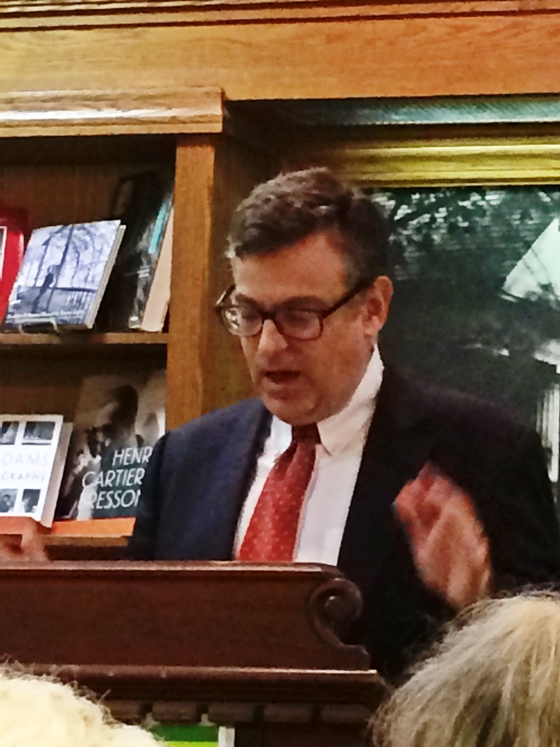
From the Concord Free Public Library: Engaging and informative lecture by Professor John Matteson for the Concord Festival of Authors, celebrating the 150th anniversary of the publication of Louisa May Alcott's Little Women! Be sure to check out the full lecture here: https://www.youtube.com/watch?v=7xwSshdEfWo
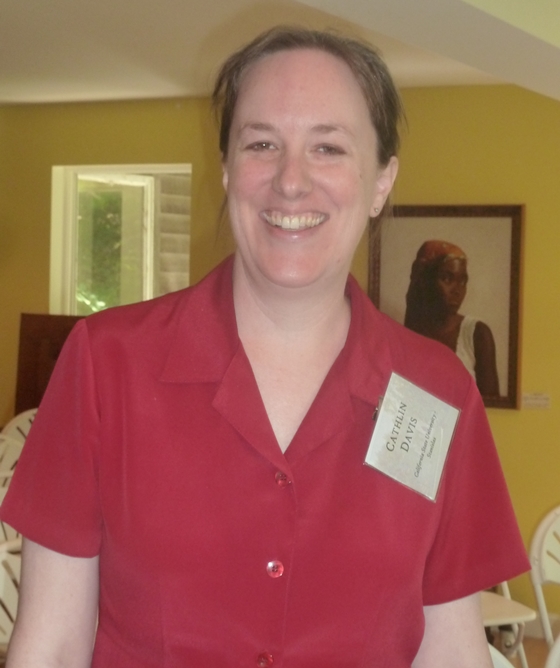
Dr. Cathlin Davis, a perennial favorite at the Summer Conversational Series gave a sermon at her church about Little Women! A rare discussion about the religious element of the Louisa May Alcott classic. https://www.youtube.com/watch?v=IKRddg9-TLM




 Louisa May Alcott is My Passion