Begun in 2010, this blog offers analysis and reflection by Susan Bailey on the life, works and legacy of Louisa May Alcott and her family. Susan is an active member and supporter of the Louisa May Alcott Society, the Fruitlands Museum and Louisa May Alcott's Orchard House.
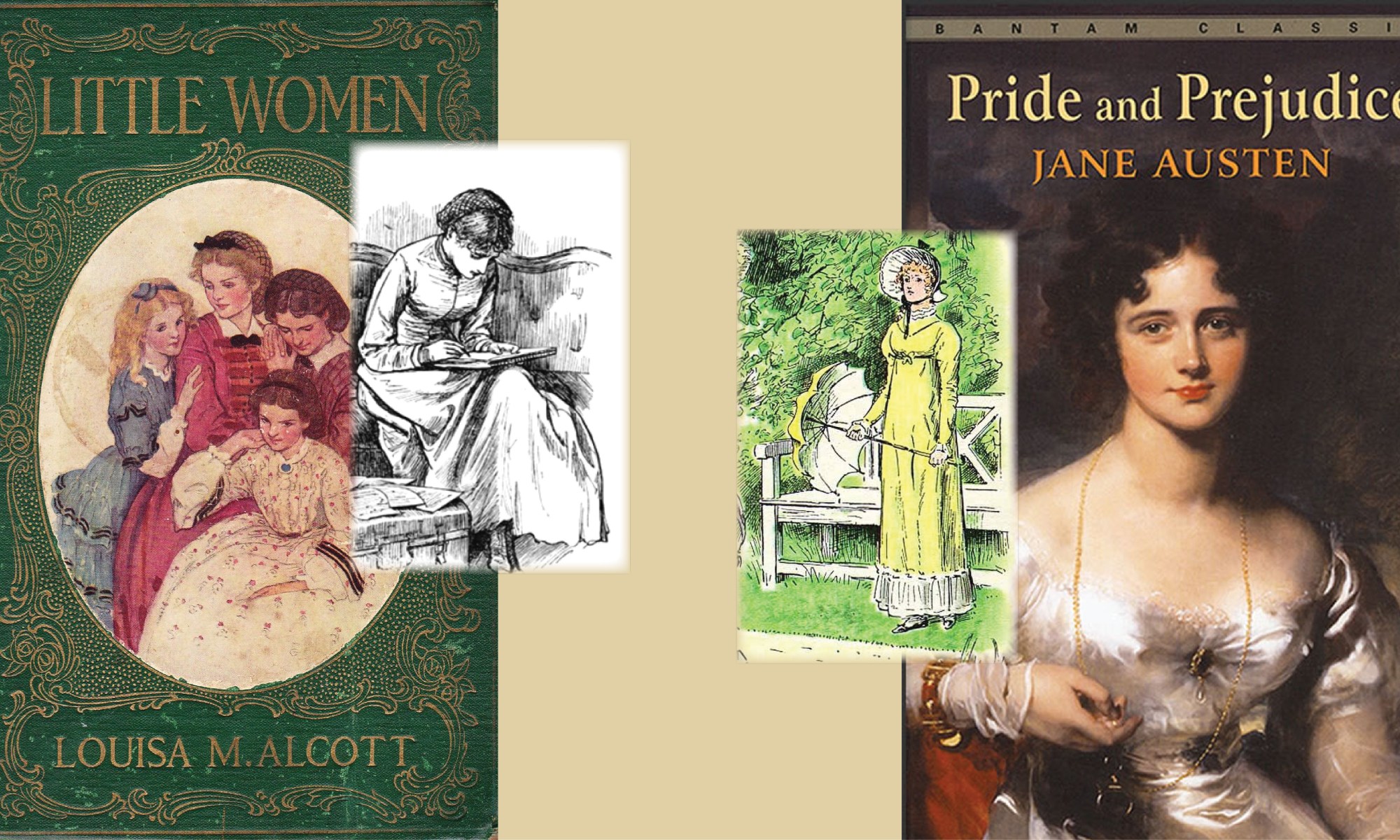
Guest post by Gabrielle Donnelly Gabrielle Donnelly, photo by Jeannine Atkins If Little Women is the great American nineteenth-century novel for girls, then Jane Austen's Pride and Prejudice is unquestionably its oh-so-proper English counterpart. But the March sisters couldn't be more different from Austen's Bennet sisters if they tried; and Gabrielle Donnelly, author of the …
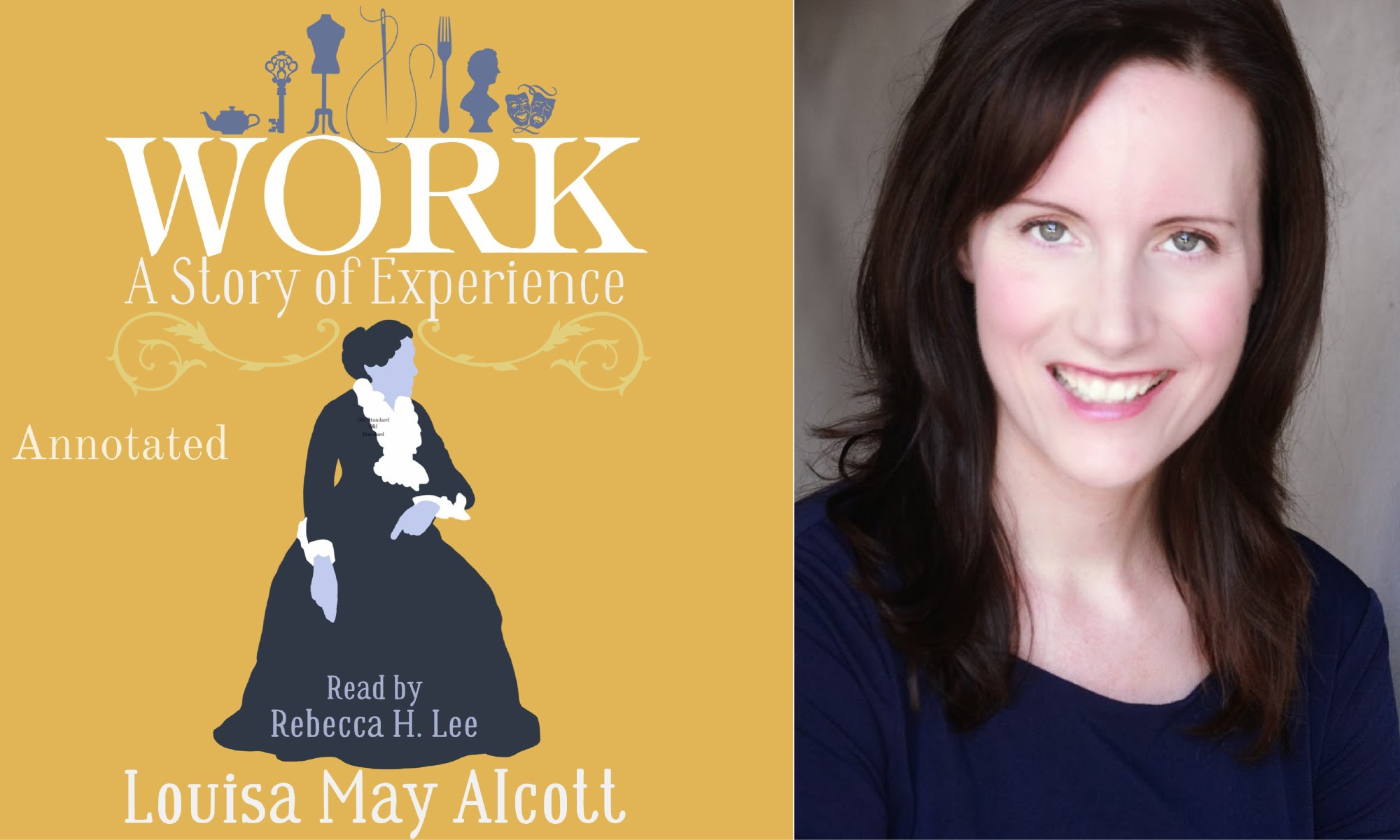
Rebecca Lee never dreamed that doing her job would gain her a new literary friend. An audiobook narrator, improv actor, and teaching artist, Lee produced Work, A Story of Experience for audible.com. Work, one of Louisa May Alcott's lesser-known adult novels, tells the story of heroine Christie Devon's ambition and struggle to work outside the …
I am pleased to present a guest post by Julia Gordon-Bramer, a scholar of Sylvia Plath. This post is an excerpt from her upcoming book titled The Magician's Girl: the Mysticism of Sylvia Plath and Ted Hughes. Bramer writes, "It is my goal to teach the world more about Plath's transcendentalism, where it comes from, …
In 1868, a writer desperate to pull her family out of a lifetime of poverty sits down at the tiny half-moon desk in her bedroom to begin work on the book she has dreaded writing. Assigned by her publisher to write a "girl's" book, Louisa May Alcott draws upon the lives of the only girls …
Having finally finished Eight Cousins, it amuses me that an overarching theme of this book is that women can be their own worst enemy. Who comes out well … For Rose, Uncle Alec is the hero and the boys are her true friends. Anyone who knows anything about Louisa May Alcott knows her penchant for …
I am finally getting around to finishing Eight Cousins. I admit this book has not held my interest like I hoped it would but now that I’m getting closer to the end, I’m enjoying it more. Perhaps I know too much back story (such as the fact that Louisa didn’t really enjoy writing this type …
Several months ago I started reading Work: A Story of Experience, one of Louisa’s few adult novels. The story, like Little Women, is a thinly disguised, romanticized yet gritty autobiography coupled with wishes Louisa might have had regarding the course of her life. First, my impressions In this first of three planned posts on this …
During the month of July Nancy from The Silver Threads blog is hosting the discussion of Little Women at A Year of Feminist Classics. She proposes that the book puts forth opposing messages: a feminist message of independence and self-expression, and a message of social conformity. She asks, which is it – a liberating view of …
You know how they say that behind every great man is a great woman? How about behind every great woman? In studying the life of Abba Alcott through the reading of Marmee, the Mother of Little Womenby Sandford Meddick Salyer, there indeed was a great woman behind Louisa May Alcott. She was a mother whose …
It's interesting how the supposedly old-fashioned Polly is actually more modern than the sophisticated Fanny. That's if you think in 21st century terms. In the Shaw household, the acquisition of wealth and keeping up with fashion are both considered "sophisticated" and desirable, whereas purposefulness and little kindnesses are considered "old-fashioned." Yet, as Louisa May Alcott …

 Louisa May Alcott is My Passion